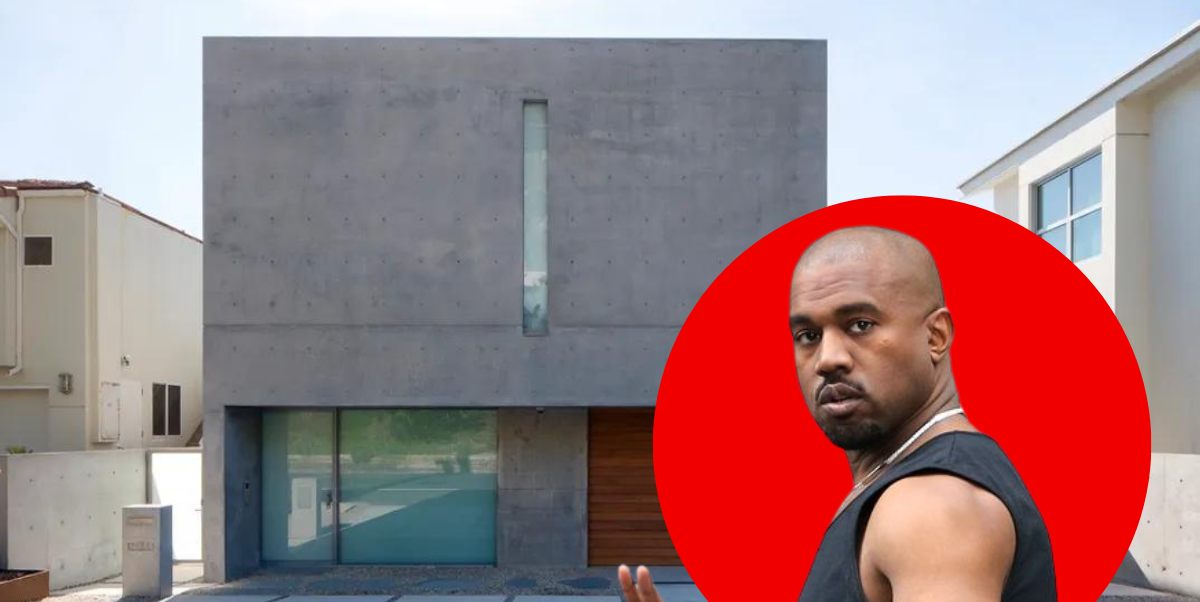
Kanye West Strips Tadao Ando Malibu House: From $57M to a $39M Saga and Beyond
The world of celebrity real estate often captivates with tales of lavish purchases and breathtaking transformations. Yet, few sagas have garnered as much attention – and controversy – as the dramatic alteration and subsequent resale of the
Tadao Ando Malibu house by musician and fashion mogul, Ye, formerly known as Kanye West. What began as a $57.3 million acquisition of an architectural masterpiece quickly devolved into a contentious demolition, leading to a significant financial loss and a heated debate over architectural preservation. This article delves into the intricate story of this iconic concrete structure, its unfortunate undoing, and the questions it raises about ownership, legacy, and the true cost of controversy.
A Masterpiece Unraveled: The Original Tadao Ando Vision
To fully grasp the scale of Ye's actions, it's essential to understand the original grandeur and significance of the
Tadao Ando Malibu house. Completed in 2013, this oceanfront compound was the brainchild of Pritzker Architecture Prize-winning Japanese architect Tadao Ando, renowned globally for his minimalist concrete structures that masterfully interact with light, water, and nature. Ando's signature aesthetic is characterized by smooth, unadorned concrete surfaces, dramatic plays of light and shadow, and a profound sense of tranquility.
The Malibu property, initially designed for Wall Street financier Richard Sachs in collaboration with local architecture studio Marmol Radziner, was a prime example of Ando's genius. Built into a sloped seafront, the house was elegantly raised on four concrete columns, giving it an ethereal quality as if floating above the beach. Its street-facing facade presented a commanding, two-storey concrete presence, hinting at the sanctuary within. However, the true spectacle lay on the ocean-facing side, which was originally adorned with expansive floor-to-ceiling windows and delicate glass balustrades. These transparent elements not only offered uninterrupted panoramic views of the Pacific Ocean but also allowed natural light to flood the interiors, creating a dynamic interplay with the concrete structure. Inside, the home boasted a sophisticated kitchen, luxurious marble-clad bathrooms, a concrete hot tub, and a striking indoor fireplace with sleek stainless steel chimney pipes – all meticulously integrated into Ando's cohesive vision. Ron Radziner, design partner at Marmol Radziner, aptly summarized the sentiment, hoping to "bring the house back to Tadao Ando's vision." This context underscores why the subsequent events sent shockwaves through the architectural community.
Ye's Drastic Transformation: From $57M to a Concrete Shell
In September 2021, Ye purchased the 4,000-square-foot
Tadao Ando Malibu house for a staggering $57.3 million. Almost immediately after the acquisition, his intentions for the architectural gem became clear: not preservation, but radical reinvention. Ye reportedly harbored aspirations to transform the sophisticated residence into a "modern bomb shelter" or a stark, monastic retreat, reflective of his evolving minimalist, almost brutalist, aesthetic preferences.
The demolition began swiftly, without the necessary permits, leading the City of Malibu to issue the first of three stop-work orders in December 2021. Despite these official interventions, the stripping continued. Ye's vision involved gutting the interior entirely, removing virtually every element that made the house a habitable luxury home. The extensive list of removals included:
* The iconic ocean-facing floor-to-ceiling windows and glass balustrades, which were integral to Ando's design, were ripped out, leaving gaping holes overlooking the sea.
* The entire kitchen, marble-clad bathrooms, and even the unique concrete hot tub were dismantled.
* The indoor fireplace and its distinctive stainless steel chimney pipes were also removed.
* More fundamentally, Ye eliminated essential utilities and fixtures, including light fixtures, heating, air conditioning, and even cut off the power and water supply to the property.
Initial attempts to collaborate with Marmol Radziner reportedly faltered when Ye insisted on changes beyond the studio's comfort zone, such as turning the staircase into a ramp – they only agreed to remove cabinets. Undeterred, Ye turned to Tony Saxon, who was reportedly invited to the property by Bianca Censori, Ye's wife and an architecture graduate from the University of Melbourne. Saxon and his colleagues embarked on a six-week, intensive demolition project, during which Saxon even slept in the gutted structure. His candid admission to The New Yorker – "It's funny – and not funny, in a way – to say, 'I'm the man who single-handedly destroyed this architectural masterpiece.' But I pretty much did" – encapsulated the controversial nature of the work.
Images of the stripped-down house circulated widely, revealing a bare concrete shell. Safety barriers now stand precariously where windows and balustrades once were, showing signs of rust that have stained the concrete flooring, further illustrating the extent of the undoing. The house, once a beacon of architectural elegance, was reduced to its raw structural bones, a stark testament to Ye's uncompromising vision.
The Financial Fallout and Future Implications
The financial repercussions of Ye's radical renovation strategy proved to be substantial. After the extensive demolition and a period of inactivity, the property was quietly put back on the market in April of this year with an asking price of $39 million. This marked a significant reduction from the original $57.3 million purchase price, immediately signaling a considerable loss for Ye.
The saga continued with a new development: the partially-restored property quickly found a buyer. Belwood Investments, led by founder Steven "Bo" Belmont, revealed that an all-cash offer between $30 to $34 million had been accepted, and the dwelling is now reportedly under contract. This final sale price indicates a staggering loss of approximately $23 million to $27 million for Ye, excluding any costs incurred during the demolition phase. For a deeper dive into the financial details, read
The Cost of Controversy: Ye's Tadao Ando Malibu House Resale.
The swift resale, despite the house being a mere shell, highlights the enduring appeal of the location and the intrinsic value of an Ando-designed structure, even when compromised. However, it also underscores the tangible financial penalty for unpermitted and destructive renovations of such high-profile properties. The new buyer, Belwood Investments, faces a monumental task. As Marmol Radziner's Ron Radziner expressed, "It would be wonderful to bring the house back to Tadao Ando's vision," and they hope to be involved in "rebuilding what we built once before." This sentiment perfectly captures the challenge and opportunity ahead. Reinstating the original design, or even adapting it while respecting Ando's principles, will require significant investment, architectural expertise, and a deep appreciation for the original masterpiece. Explore the potential pathways to recovery in
Restoring a Legacy: The Tadao Ando Malibu House After Ye's Edits.
For potential buyers or investors considering properties with a history of controversial alterations, it's crucial to:
- Assess the Extent of Damage: Understand exactly what has been removed or compromised structurally.
- Review Permit History: Verify if all previous work was permitted and if any outstanding violations exist.
- Consult with Original Architects: Engaging the original design team can offer invaluable insights into restoration costs and feasibility.
- Factor in Restoration Costs: Estimate not just construction, but also specialized materials, approvals, and the premium associated with restoring a landmark.
- Consider Market Perception: While a restored masterpiece can command a premium, controversial history might affect initial perception.
The Broader Conversation: Architecture, Ownership, and Legacy
The saga of the
Tadao Ando Malibu house transcends a mere real estate transaction; it ignites a broader conversation about architectural ethics, the rights of property owners, and the preservation of artistic heritage. When an individual purchases a work by a globally acclaimed "starchitect," do they acquire absolute liberty to alter it beyond recognition, or does a certain responsibility come with owning a piece of architectural history?
Ye's actions highlight the tension between personal vision and established legacy. While an owner certainly has the right to modify their property, the extensive and destructive nature of these changes, especially to a Pritzker Prize-winner's work, sparks debate within the architectural community. Many argue that architectural masterpieces, much like renowned paintings or sculptures, hold a cultural value that extends beyond their commercial worth or the immediate desires of a single owner. They represent a significant contribution to design, innovation, and often, a particular philosophical approach to living.
This incident also serves as a stark reminder of the financial and reputational risks associated with unpermitted and aggressive renovations. Beyond the monetary loss, the episode has generated considerable negative publicity, raising questions about respect for architectural integrity. The new owners face the unique challenge of either painstakingly restoring the Ando vision, an endeavor that could significantly enhance the property's long-term value and prestige, or charting a new path that subtly reinterprets its concrete shell. Their decisions will ultimately shape the next chapter of this legendary Malibu address, potentially demonstrating that even a stripped-down masterpiece can be reborn, perhaps even stronger, from the ashes of controversy.
Conclusion
The journey of the
Tadao Ando Malibu house under Kanye West's ownership is a captivating, albeit cautionary, tale. What started as a $57.3 million acquisition of a Pritzker-winning architectural marvel culminated in a dramatic demolition, multiple stop-work orders, and a resale at a loss of over $20 million. From its original glory with ocean-facing windows and meticulously designed interiors, the house was reduced to a bare concrete structure, a testament to Ye's uncompromising vision for a "modern bomb shelter." This saga not only underscores the significant financial risks of unpermitted and destructive renovations but also ignites crucial conversations about the ethics of altering architectural masterpieces and the delicate balance between property rights and the preservation of cultural heritage. As Belwood Investments steps in, the world watches to see if this iconic Malibu property will once again rise to embody the spirit of Tadao Ando, or embark on a new, unforeseen chapter in its storied existence.