The Cost of Controversy: Ye's Tadao Ando Malibu House Resale
The world of luxury real estate often intertwines with celebrity, creating narratives that captivate and occasionally, shock. Few stories in recent memory have encapsulated this intersection more dramatically than the saga surrounding the Tadao Ando house Malibu. Originally an architectural marvel, this concrete oceanfront sanctuary, designed by the Pritzker Prize-winning Japanese architect Tadao Ando, became the center of a storm after musician Ye (formerly Kanye West) acquired it. What followed was a controversial transformation that stripped the structure bare, leading to a significant depreciation in value and intense debate among design enthusiasts. Now, with the property swiftly finding a new buyer, the dust begins to settle on one of Malibu's most talked-about real estate transactions, revealing the true cost—both financial and reputational—of architectural intervention.
The Vision and Its Undoing: A Masterpiece's Fate
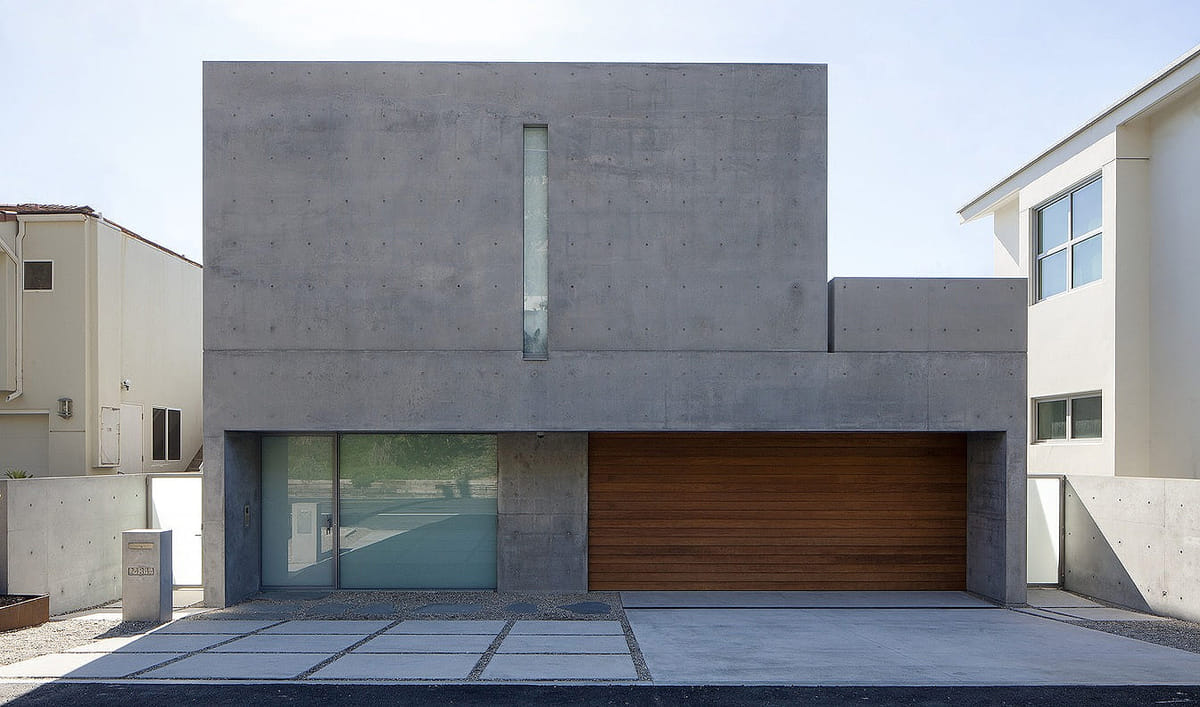
In 2021, Ye purchased the 4,000-square-foot Tadao Ando house Malibu for a staggering $57.3 million. Conceived by Ando for Wall Street financier Richard Sachs and realized with local architecture studio Marmol Radziner, the home was a testament to minimalist concrete brutalism harmonizing with its stunning seafront location. Completed in 2013, it was a unique structure built into a sloped site, raised on four concrete columns, featuring a two-story street-facing facade, and – crucially – expansive floor-to-ceiling windows and glass balustrades overlooking the Pacific Ocean. These elements were integral to Ando's vision, creating a seamless connection between the stark concrete and the vast natural beauty.
However, Ye had a different vision. Shortly after the purchase, a systematic deconstruction began. Ocean-facing windows, marble-clad bathrooms, the kitchen, an indoor fireplace, and even a concrete hot tub were meticulously removed. The goal, as Ye reportedly communicated, was to transform the architectural masterpiece into a stark "modern bomb shelter," eliminating perceived luxuries and even basic utilities like heating, air conditioning, power, and water. This drastic overhaul was carried out, initially, without proper permits, leading to multiple stop-work orders from the City of Malibu starting in December 2021. The images of the structure, stripped back to a bare concrete shell with rusted safety barriers where windows once were, circulated widely, sparking outrage and dismay within the architectural community.
Tony Saxon, who was reportedly invited to the property by Ye's current wife, Bianca Censori (an architecture alumna herself), took six weeks to strip the interior bare. He famously told The New Yorker, "It's funny – and not funny, in a way – to say, 'I'm the man who single-handedly destroyed this architectural masterpiece.' But I pretty much did." This candid admission underscored the profound impact of Ye's actions on a globally recognized piece of architecture. The extensive demolition significantly altered the property's character and, as subsequent events would prove, its market value. For a deeper dive into the initial listing and price drop, read our article: Kanye West Strips Tadao Ando Malibu House: $57M to $39M Saga.
From Controversy to Contract: The Resale Journey
The dramatic transformation inevitably impacted the property's market viability. In April of this year, the gutted Tadao Ando house Malibu was listed for sale at $39 million – a significant drop from Ye's original $57.3 million purchase price just two years prior. This 32% reduction highlighted the immense financial cost of the unsanctioned modifications and the subsequent need for extensive restoration. However, despite its controversial state, the property quickly found a new suitor.
Belwood Investments, led by founder Steven "Bo" Belmont, recently confirmed that an all-cash offer, reportedly between $30 million and $34 million, had been accepted. This swift contract, just days after its return to the market, suggests that while Ye's interventions were polarizing, the inherent value of an Ando-designed structure, even in its "shell" form, remains undeniable. The sale price, while still considerably lower than Ye's acquisition, reflects the substantial investment required to bring the property back to a habitable, or even luxurious, state. The appeal for a buyer like Belwood Investments likely lies in the potential to restore the property to its original glory, or perhaps to implement a new, permit-approved vision within the prestigious concrete framework. The opportunity to own a piece of architectural history, even one in need of significant rehabilitation, held a unique allure.
Decoding the "Cost of Controversy": Beyond Financial Losses
The journey of the Tadao Ando house Malibu from a celebrated architectural masterpiece to a stripped-down shell and back onto the market offers several compelling insights beyond just financial figures. The most immediate "cost" for Ye was indeed monetary, with an estimated loss of $23-27 million between his purchase price and the eventual resale. However, the controversy also incurred significant reputational costs, especially within the architectural and design communities, who viewed the extensive demolitions as an act of architectural vandalism.
This saga ignited a broader debate about architectural preservation and the rights of property owners. While owners have a right to modify their property, when does that right conflict with the preservation of a recognized architectural masterpiece? For a Pritzker Prize winner like Tadao Ando, his creations are considered part of a global architectural heritage. Ye's actions pushed the boundaries of this debate, leaving many to wonder about the ethical responsibilities that come with owning such significant structures.
Practical Tips for Renovating High-Value Homes:
- Prioritize Permits: Always secure all necessary permits before beginning any construction or demolition. Ignoring this can lead to costly stop-work orders, fines, and legal issues.
- Consult Experts: For architecturally significant homes, engage with the original architects or experts familiar with their work. Marmol Radziner, for instance, expressed a desire to "bring the house back to Tadao Ando's vision."
- Understand Architectural Significance: Before making drastic changes, thoroughly research the historical and architectural value of the property. Modifications can drastically alter value and appeal.
- Budget for Unexpected Costs: Renovation, especially on unique properties, can uncover unforeseen challenges. Factor in substantial contingency funds.
- Consider Market Impact: Extreme modifications, particularly those viewed negatively by the design community, can significantly impact resale value and buyer pool.
The episode serves as a powerful case study in the intersection of celebrity, architecture, and real estate, demonstrating that a lack of foresight and disregard for established protocols can have far-reaching consequences.
A New Chapter: Restoring Architectural Integrity (or Forging a New Path)
With Belwood Investments now at the helm, the Tadao Ando house Malibu embarks on a new chapter. The firm faces the exciting, albeit daunting, challenge of deciding the property's future. The substantial all-cash offer suggests a serious commitment, but the path forward is complex. Will the new owners choose to meticulously restore the property to Tadao Ando's original, lauded vision? This would entail significant investment to rebuild the removed elements, reinstate the iconic windows, and reintroduce the luxurious interiors designed to complement Ando's raw concrete aesthetic. Such a restoration would undoubtedly be costly, potentially pushing the total investment well beyond the initial $57.3 million Ye paid.
Alternatively, Belwood Investments might opt for a reimagining, commissioning new architects to create a unique vision within Ando's concrete shell, albeit one that is permit-compliant and respectful of the original structure's bones. The involvement of Marmol Radziner, the local studio that helped realize Ando's initial design, could prove invaluable should the new owners lean towards restoration, leveraging their intimate knowledge of the original plans and construction. The long-term value of the property, especially for an investment firm, would likely be maximized by restoring its architectural authenticity, given Ando's global reputation. For more on the potential future of this property, explore our feature: Restoring a Legacy: The Tadao Ando Malibu House After Ye's Edits.
The saga of the Tadao Ando house Malibu is a potent reminder of the delicate balance between ownership, artistic expression, and architectural preservation. Ye's dramatic interventions led to a swift and significant depreciation in value, underscoring the financial risks inherent in controversial modifications to high-value, architecturally significant properties. As the property enters its next phase, the design world watches with bated breath, hoping that its new custodians will honor its legacy and guide this iconic concrete structure towards a future that once again celebrates its original genius.